How the Conflict in the Middle East Could Affect Brazil
When conflicts arise in the Middle East, many people believe it is a distant problem with little impact on other parts of the world. However, the reality is quite different. Crises in that region can have direct effects on countries across the globe — including Brazil.
The Middle East is a strategic area for the global economy. The region holds some of the world’s largest oil reserves and major international trade routes. When stability there is threatened, the consequences can quickly spread throughout the global economy.
Rising Oil Prices Could Affect Brazilian Consumers
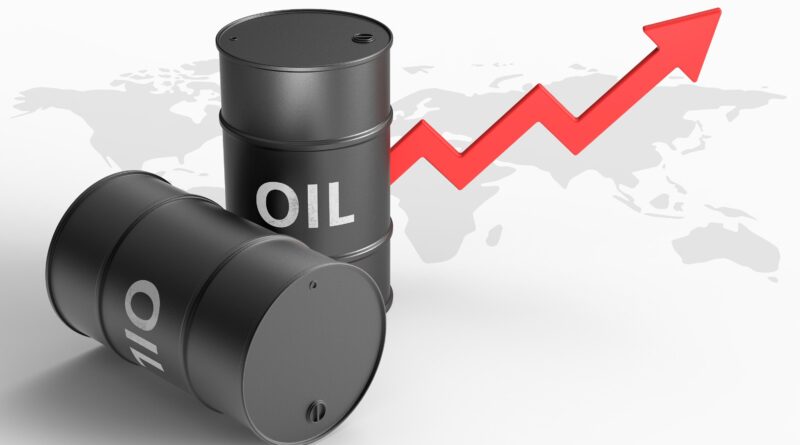
One of the first effects of conflicts in the Middle East is usually seen in oil prices. Countries in the region are responsible for a significant portion of the world’s energy production.
If oil production or transportation is disrupted due to war or military tensions, prices can rise quickly on international markets.
For Brazil, this could mean:
- higher gasoline prices
- more expensive diesel for transportation and agriculture
- increased transportation and logistics costs
In the end, these increases tend to reach consumers.
Impact on the Global Economy
International crises can also create instability in financial markets. Investors often react quickly to news about conflicts or geopolitical risks.
This can lead to:
- fluctuations in the value of the U.S. dollar
- changes in global investment flows
- instability in stock markets
Since Brazil participates in global trade, these changes can affect exports, imports, and the overall flow of investments.
International Trade May Be Affected
The Middle East is also an important region for global trade routes. If conflicts disrupt ports, shipping lanes, or logistics infrastructure, international trade can face delays or higher costs.
This may influence:
- the price of imported goods
- Brazilian exports
- maritime transportation costs
Global Security and International Politics
Beyond economic impacts, tensions in the Middle East also influence diplomatic decisions and political strategies around the world.
Brazil, as a participant in international organizations and global trade networks, closely monitors developments in the region. During periods of crisis, governments must evaluate possible scenarios and take measures to protect their economic and strategic interests.
Conclusion
Although Brazil is geographically far from the Middle East, today’s world is deeply interconnected. Conflicts in that region can influence prices, markets, and political decisions in many countries.
For this reason, whenever tensions rise in the Middle East, governments, businesses, and analysts around the world pay close attention. In a globalized economy, local events can quickly produce effects that reach across continents.