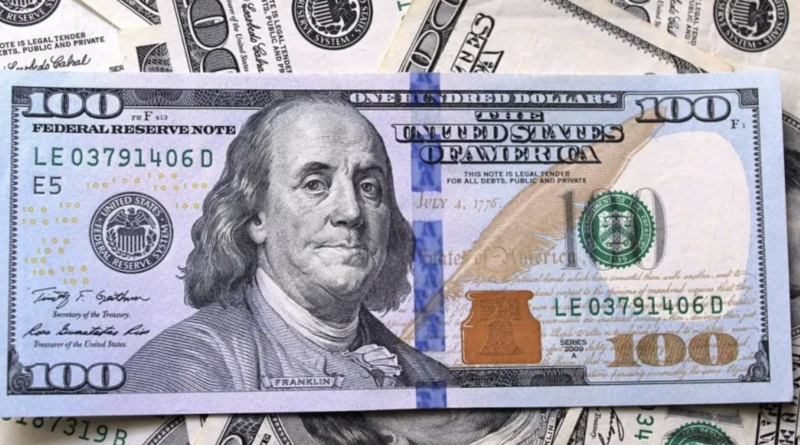
Dollar for down why ?
The US dollar dominated financial headlines this week as fresh inflation data and new signals from the Federal Reserve pushed the currency sharply higher. The US dollar gained momentum against major global currencies, triggering volatility across stocks, commodities, and emerging markets.
Investors closely monitored economic releases that suggested inflation remains sticky, reinforcing expectations that interest rates could stay elevated for longer. As a result, the US dollar strengthened broadly, reflecting renewed confidence in the U.S. economy compared to other regions facing slower growth.
Inflation Data Fuels US Dollar Momentum
The latest inflation report showed price pressures cooling more slowly than anticipated. While headline inflation showed modest improvement, core inflation remained firm, signaling persistent underlying demand in the economy.
This inflation dynamic directly impacts the US dollar because higher inflation typically leads to tighter monetary policy. Markets interpreted the data as a sign that the Federal Reserve may delay any potential rate cuts.
Higher interest rate expectations tend to support the US dollar by increasing yields on U.S. assets. Foreign investors often move capital into dollar-denominated assets when returns become more attractive.
Federal Reserve Tone Strengthens the US Dollar
Federal Reserve officials delivered cautious remarks this week, emphasizing that policy decisions will depend on incoming data. Although no immediate rate hike was announced, the tone reinforced the idea that rate cuts are not imminent.
That message alone was enough to boost the US dollar further. Currency traders adjusted their positions quickly, driving the dollar index upward and pressuring currencies such as the euro and yen.
Market analysts noted that the US dollar’s resilience reflects relative economic strength in the United States compared to Europe and parts of Asia.
Impact on Global Markets
The rising US dollar created ripple effects across multiple sectors:
- Stock markets saw mixed reactions as stronger currency conditions affect multinational earnings.
- Gold prices softened slightly due to the inverse relationship between gold and the US dollar.
- Emerging market currencies faced pressure as capital flowed toward U.S. assets.
- Oil markets experienced volatility amid shifting currency dynamics.
A stronger US dollar often makes commodities priced in dollars more expensive globally, reducing demand in some regions.
Emerging Markets Feel the Pressure
Countries with high levels of dollar-denominated debt are particularly sensitive to movements in the US dollar. When the dollar strengthens, repayment costs effectively rise for those economies.
This week, several emerging market currencies showed weakness as traders repositioned portfolios toward safer assets.
The global influence of the US dollar once again demonstrated its central role in international finance.
What Analysts Are Saying
Financial strategists described this week’s US dollar rally as a “confidence rebound.” Some believe the move could extend if future economic reports continue supporting higher-for-longer rate expectations.
However, others caution that currency movements remain highly data-dependent. Any unexpected slowdown in growth or sharp drop in inflation could reverse part of the US dollar’s recent gains.
What Comes Next for the US Dollar?
The next key catalysts for the US dollar will likely include:
- Upcoming employment data
- Additional inflation reports
- Federal Reserve policy meetings
- Global geopolitical developments
If economic data continues to exceed expectations, the US dollar could maintain its upward trajectory. Conversely, softer numbers may bring renewed volatility.
For now, the US dollar stands firm, shaping global financial conditions and influencing markets worldwide.
Will the US dollar continue climbing next week, or is this rally temporary? Investors will be watching closely.